
Refugee Week 2026
In honour of Refugee Week (15-21 June), this exhibition celebrates the many people who have made North Craven home over the centuries into the present day.
We are grateful to Settle Town Council, Pippa Doran, Craven District of Sanctuary and Alison Marshall in the creation of this online exhibition. You can buy Alison’s book, Journeys of Hope, from Bookshop.org or all good bookstores.
This exhibition was made possible thanks to National Lottery Players and Arts Council England.

-
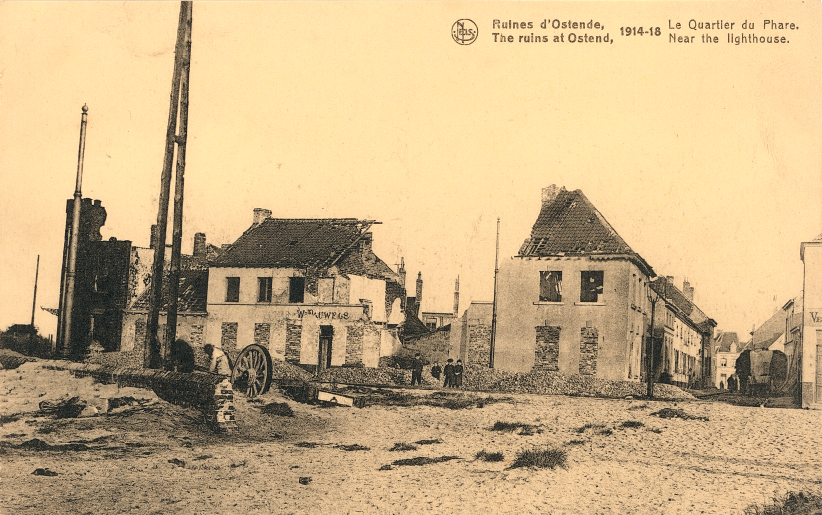
Postcard showing the ruins at Ostend, Belgium, where many refugees in Craven originated
-
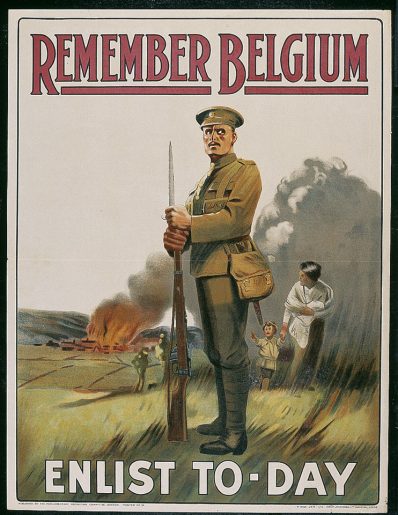
Recruiting poster issued in 1914


Belgian Refugees
Many villages in Craven provided support for Belgian families, including Settle who hosted 18 refugees from the city of Ostend. One child was only two days old when the family fled.
Over 250,000 Belgian refugees fled to Britain during WWI – the largest single influx to this country in recorded history.
The British government celebrated these refugees and used their stories as propaganda to support the war effort.
-
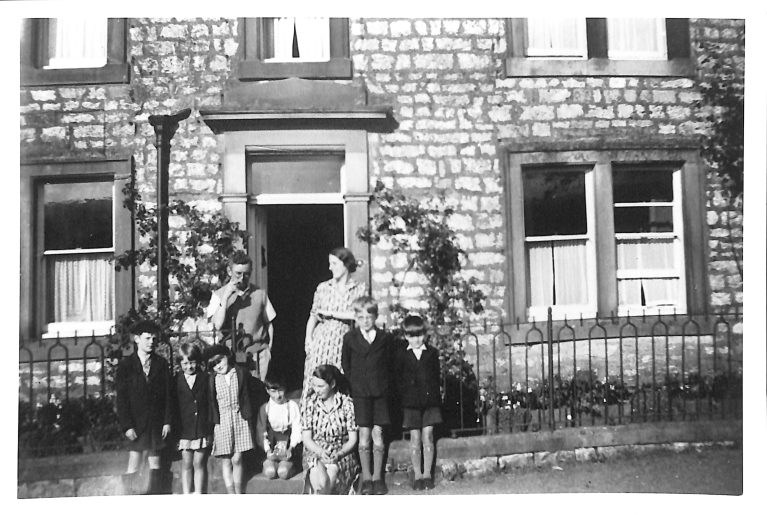
An un-dated photo of evacuee children with their host family at Horton. HHG/022/012/001
-
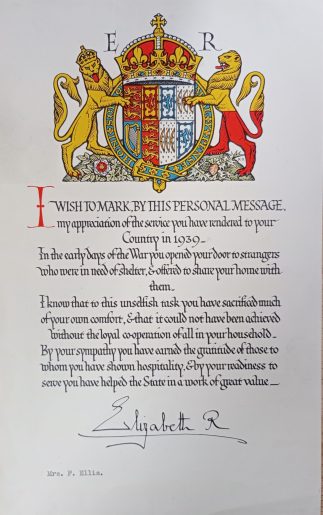
A letter received by Mrs Ellis in Settle from the Queen Mother, thanking her for opening her home to refugees. 2008.45.66.1
-
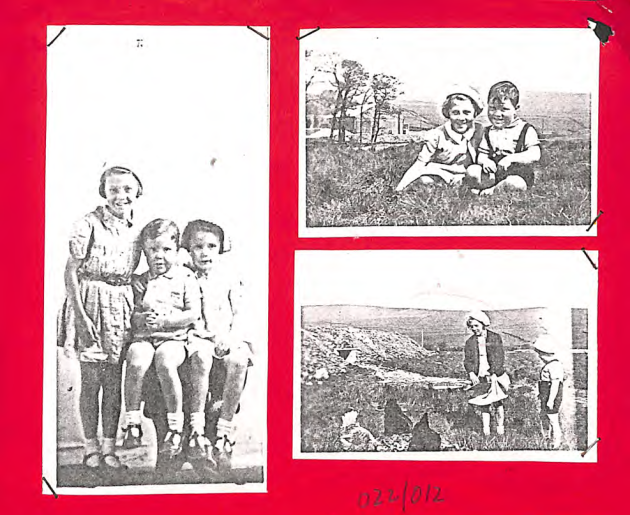
Photographs collected by Mr and Mrs Harrison HHG/022/012/002
-
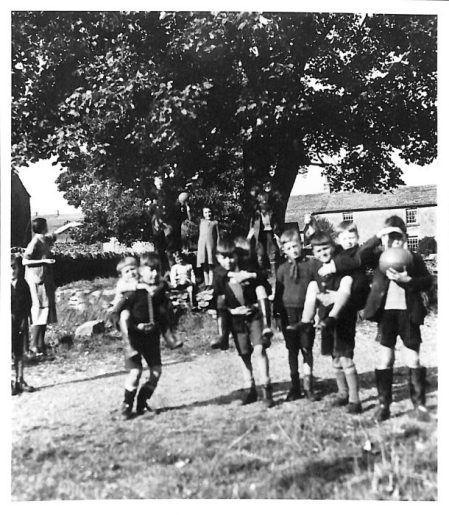
A group of evacuee and local children play together at Selside school, supervised by Mrs Lowther. HHG/022/012/006


Evacuees
During World War II many in Settle opened their doors to welcome evacuees. On September 11, 1939, 17 evacuees were enrolled at Giggleswick Primary School. They had come from London, Leeds, Liverpool, Rochester and Bradford. It must have been scary to leave home and the following month many of the evacuee’s names had been removed from the register, perhaps because they had returned home. Other children remained in touch with their host family: Jean Awcock stayed only seven months with Mr and Mrs Harrison, but they remained in touch and later learned she had married.
-
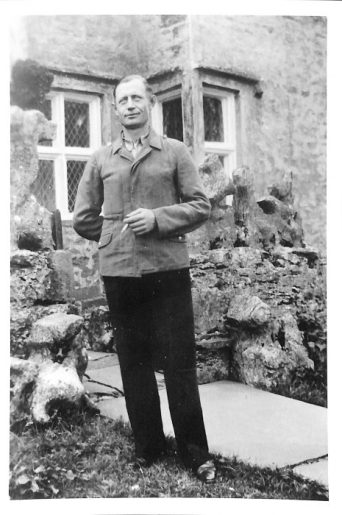
Georg Schweinsberg, in 1945 at Lodge Hall Farm, Selside. HHG/024/006
-
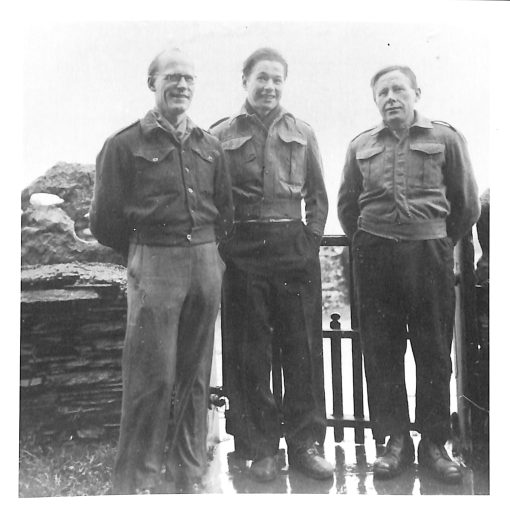
Unnamed German prisoners of war at Foredale Farm in Helwith Bridge


Prisoners of War
In World War Two, Craven became home to many prisoners of war, many of whom worked on local farms. Sometimes farms were too remote for prisoners to be returned to a secure location overnight: at Lodge Hall Farm in Selside, Mrs Mason paid £3 per week per man, less the cost of his lodging, £1/2/6.
Although the nations were at war, individuals often formed friendships that lasted their lifetimes. Georg Schweinsberg worked on the farm at Lodge Hall for Billy Carter. After the war, he maintained a life-long correspondence with Billy and his son George Carter until his death in 2008.
After the war, the creation of communist East Germany meant that some of the German POWs could not return home, and some remained here for the rest of their lives.
-
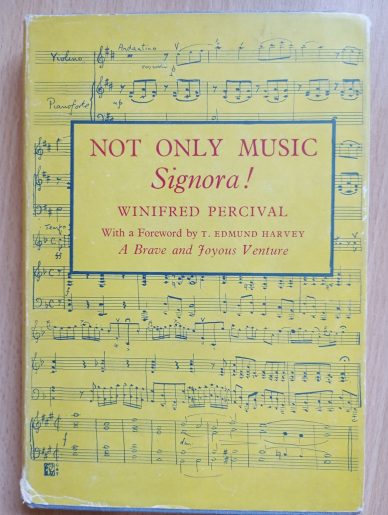
“Not Only Music, Signora!” by Winifred Percival. 2013.19.2
-
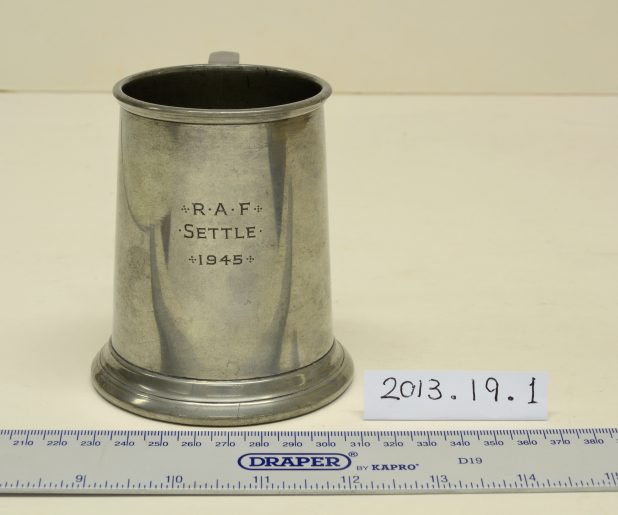
A silver tankard inscribed "RAF Settle 1945", gifted by Italian prisoners of war to Winifred and Arthur. 2013.19.1
-
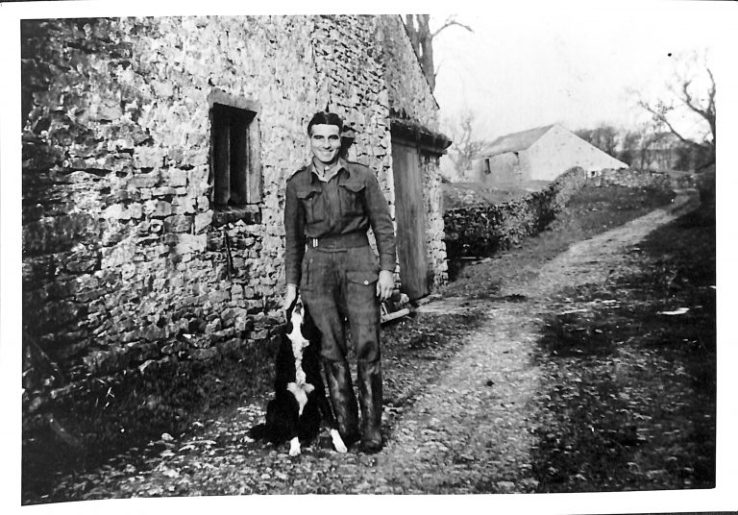
An unnamed Italian prisoner of war at Lodge Hall Farm, Selside. HHG/024/005


Prisoners of War
Many of the Italian POWs were also unable to return home after the war ended, and continued to work in farms and factories for several years.
Winifred and Arthur Percival toured the UK in 1944-1946 to give concerts to these men, providing compassion and entertainment in their native language. This story is recounted in her book “Not Only Music, Signoria!”
They were presented with this tankard as thanks after their concert in Settle.

Craven Refugee Support Network is an umbrella organisation for groups across Craven
Craven Refugee Support Network
The Craven Refugee Support Network was founded in 2015 in response to a growing refugee crisis in Europe and Asia. Since then, they have supported families from Syria, Afghanistan and Ukraine to help them rebuild their lives after fleeing dangerous warzones.
-
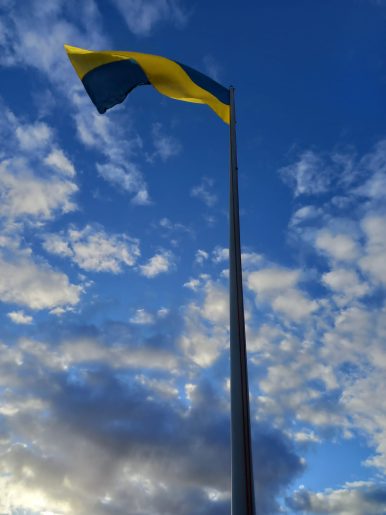
In 2022, Settle Town Council flew the Ukrainian flag from Castleberg Crag in soldarity with the people of Ukraine. Image credit: Settle Town Council
-
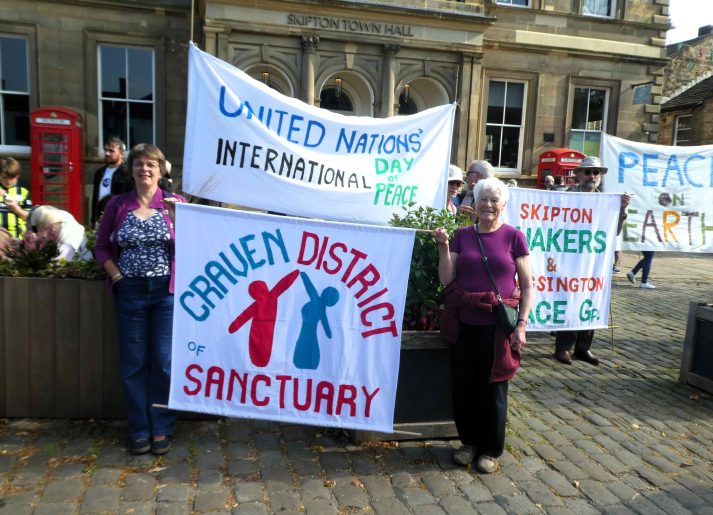
Craven District of Sanctuary. Image Credit Craven District of Sanctuary
-
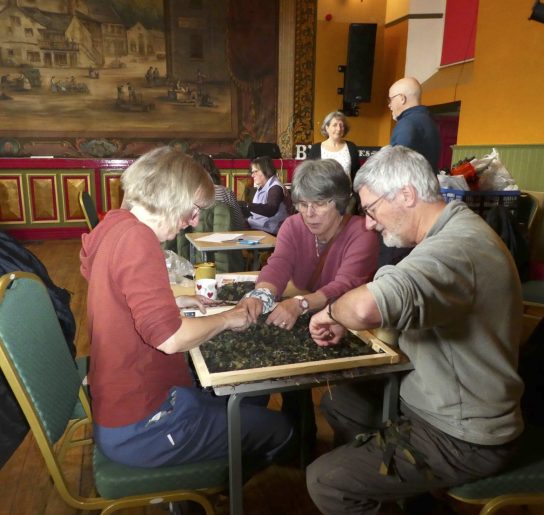
Volunteers in Settle weave camouflage nets for use by Ukrainian soldiers. Image credit: Alison Marshall


The War in Ukraine
In 2022, Russia expanded its invasion of Ukraine, displacing over 10 million people, about half of whom left Ukraine for other countries. Ninety percent of the refugees are women and children. Around a hundred refugees from Ukraine have settled in Craven.
Local people came together to raise funds and help create camouflage nets for use by Ukrainian soldiers to help them stay safe during the conflict.
-
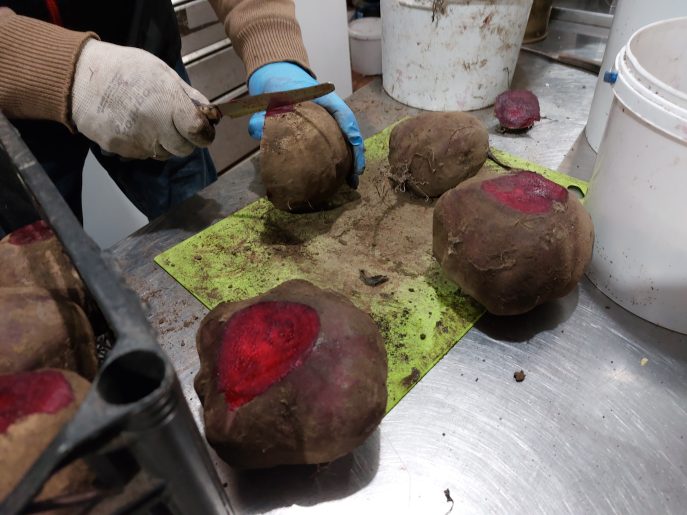
A volunteer cuts beetroot in Lviv Volunteer Kitchen. Image credit: Alison Marshall
-
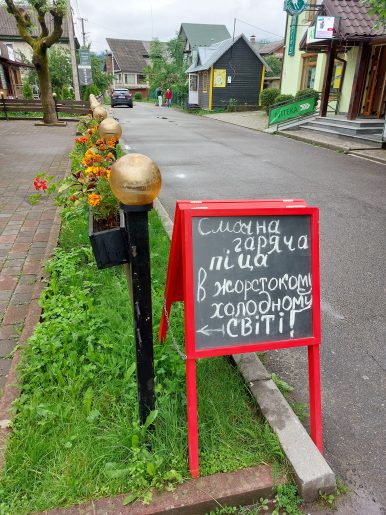
Spotted in Slav'ske, in the Carpathian Mountains. The sign advertises "Tasty hot pizza - in a cold, cruel world". Image credit: Alison Marshall


Help on the Front Line
Settle resident and author, Alison Marshall, travelled twice to Lviv, Ukraine in 2023 to help in the war effort. Members of Alison’s family had fled that region of Ukraine (then part of the Russian Empire) in the early 20th century, to escape anti-semitic violence and discrimination.
Lviv is a UNESCO World Heritage Site and hosts many tourists a year. Alongside, it is now home to many displaced Ukrainian people and acts as a hub for humanitarian aid for other areas of the country.
Alison herself volunteered at Lviv Volunteer Kitchen, creating meals that are dehydrated and shipped to the front for soldiers serving in the Ukrainian army.
-
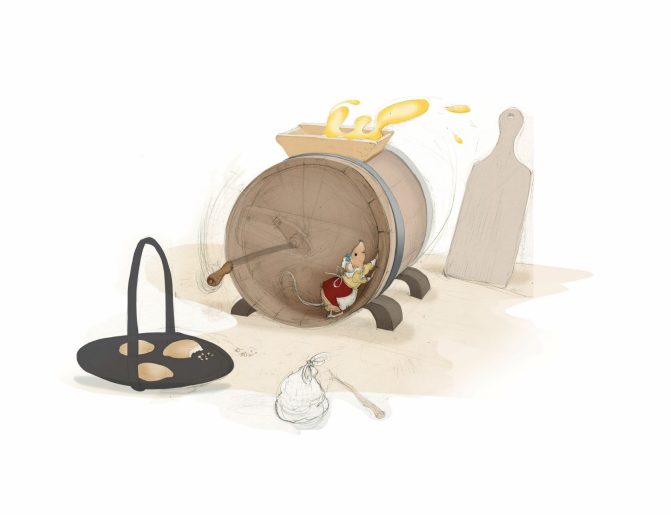
An illustration from Molly at The Folly, drawn by Nick Ellwood

Refugees Visit The Folly
We were proud to host a visit of Bankside National Childbirth Trust’s Mums and Babies group in June 2025, a group that included many refugees and asylum seekers. Together we read Molly at The Folly, our children’s book about a mouse called Molly who makes her new home at The Folly.
Many of the mums and babies live in Leeds and the cost of transport to the Yorkshire Dales can be prohibitive as asylum seekers received only £49.18 per week, or £9.95 if their accommodation provides basic meals. If they have a baby, they receive an additional £5.25 – £9.50 per week. Skipton Refugee Support Group kindly paid for the train travel and the museum provided the story session for free as part of our community outreach activities.